Planet Zoo 2 Sumatran orangutan habitat guide
Build for the orangutan’s land, climbing, group, barrier and temperature needs using launch Zoopedia data.
Applies to: Base-game Sumatran orangutan · launch data
The short answer
A starting Sumatran orangutan habitat needs 780 m² of land, 120 m² of climbing space, a grade-3 climb-proof barrier and 18–33°C. The listed social range is one to six, with no more than one adult male.
On this page
Habitat requirements
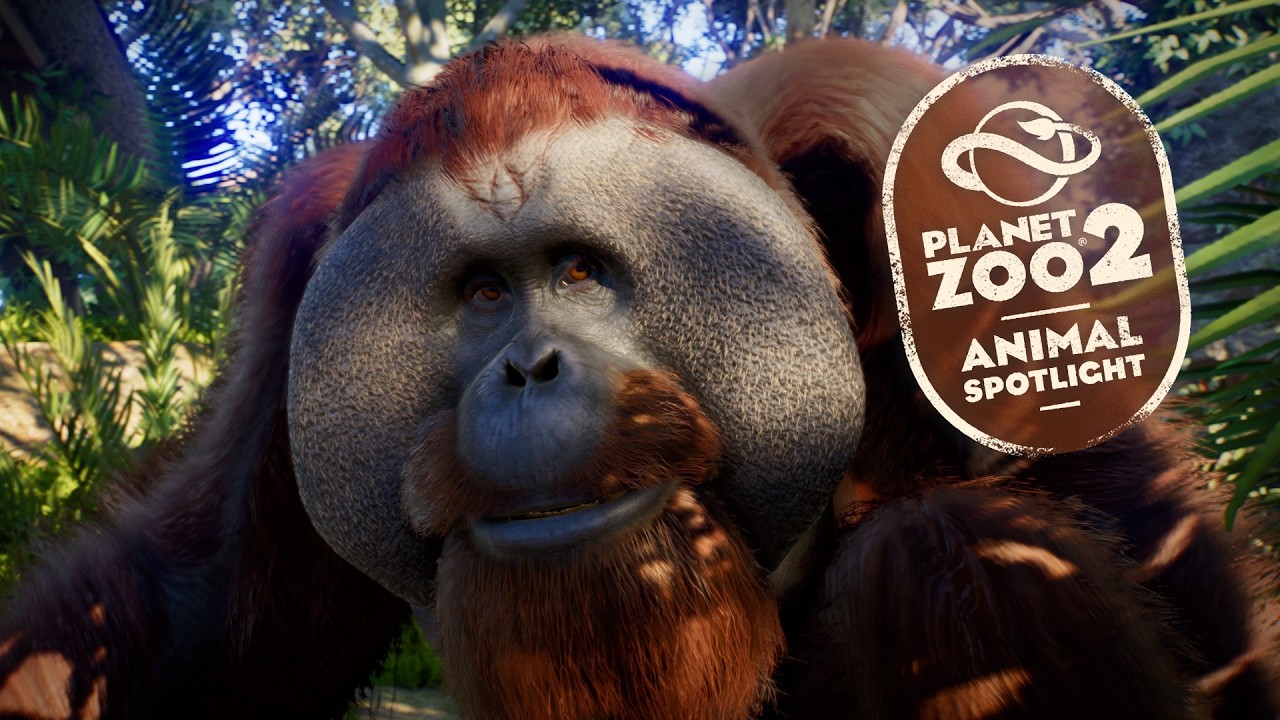
Launch Zoopedia-derived values give one Sumatran orangutan 780 m² land and 120 m² climbable area. Add 50 m² land and 40 m² climbing space for each additional animal. Use a grade-3 climb-proof barrier and maintain 18–33°C.
Group and breeding
The listed social range is one to six animals, with no more than one adult male. Build for the intended group rather than the first animal only; added adults raise both land and climbing requirements.
Food and welfare
After transfer, use the live welfare panel to check food, enrichment, shelter and social needs. These values are a construction baseline, not a full care routine. If traversable climbing space reads lower than the visual structure suggests, inspect access and connections.
Requirement sheet
| Starting land | 780 m² |
|---|---|
| Land per additional animal | 50 m² |
| Starting climbing area | 120 m² |
| Climbing per additional animal | 40 m² |
| Barrier | Grade 3, climb-proof |
| Temperature | 18–33°C |
| Group | 1–6; no more than one adult male |
Build for climbing first
Reserve land and a keeper route, then construct connected climbing structures that the animal can actually traverse. Check the recognised climbing figure before adding decorative branches. For a planned group of four, calculate the extra land and climbing area before closing the boundary.
Watch the group as juveniles mature
A habitat that works for a breeding group can develop social pressure when offspring become adults. Track sex and age, keep transfer space available and recheck the one-adult-male limit instead of treating the initial group as permanent.
Common reasons the numbers look wrong
- Climbing pieces touch visually but are not connected for traversal.
- Usable land is reduced by water, steep slopes or blocked areas.
- The habitat was sized for one animal and the group grew.
- A non-climb-proof barrier creates an escape risk despite sufficient area.
Sources
Continue in Planet Zoo 2
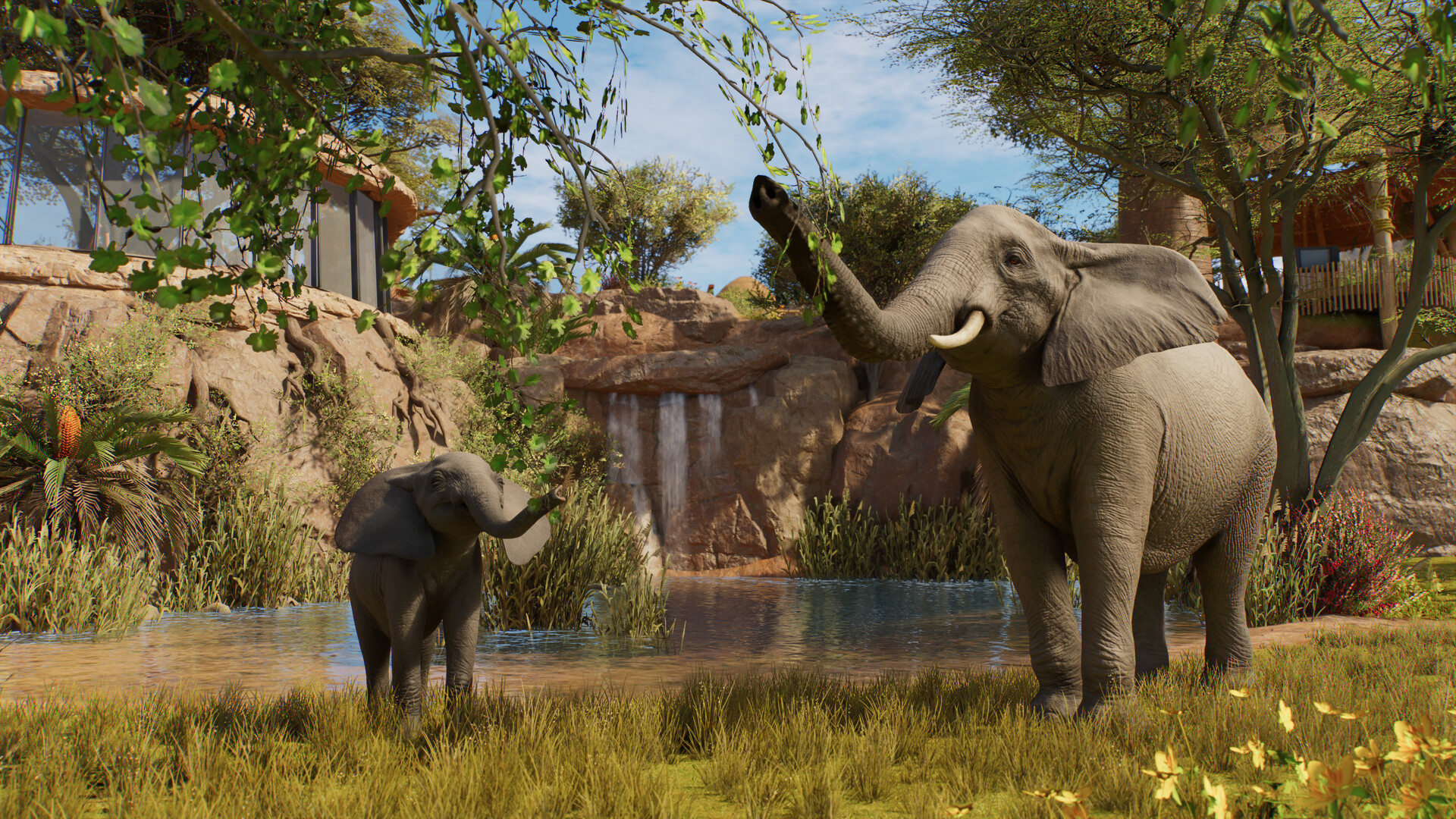
Planet Zoo 2 animal list: all 136 Zoopedia species
Search the complete launch animal list by enclosure type and edition without mixing base-game and Deluxe species.
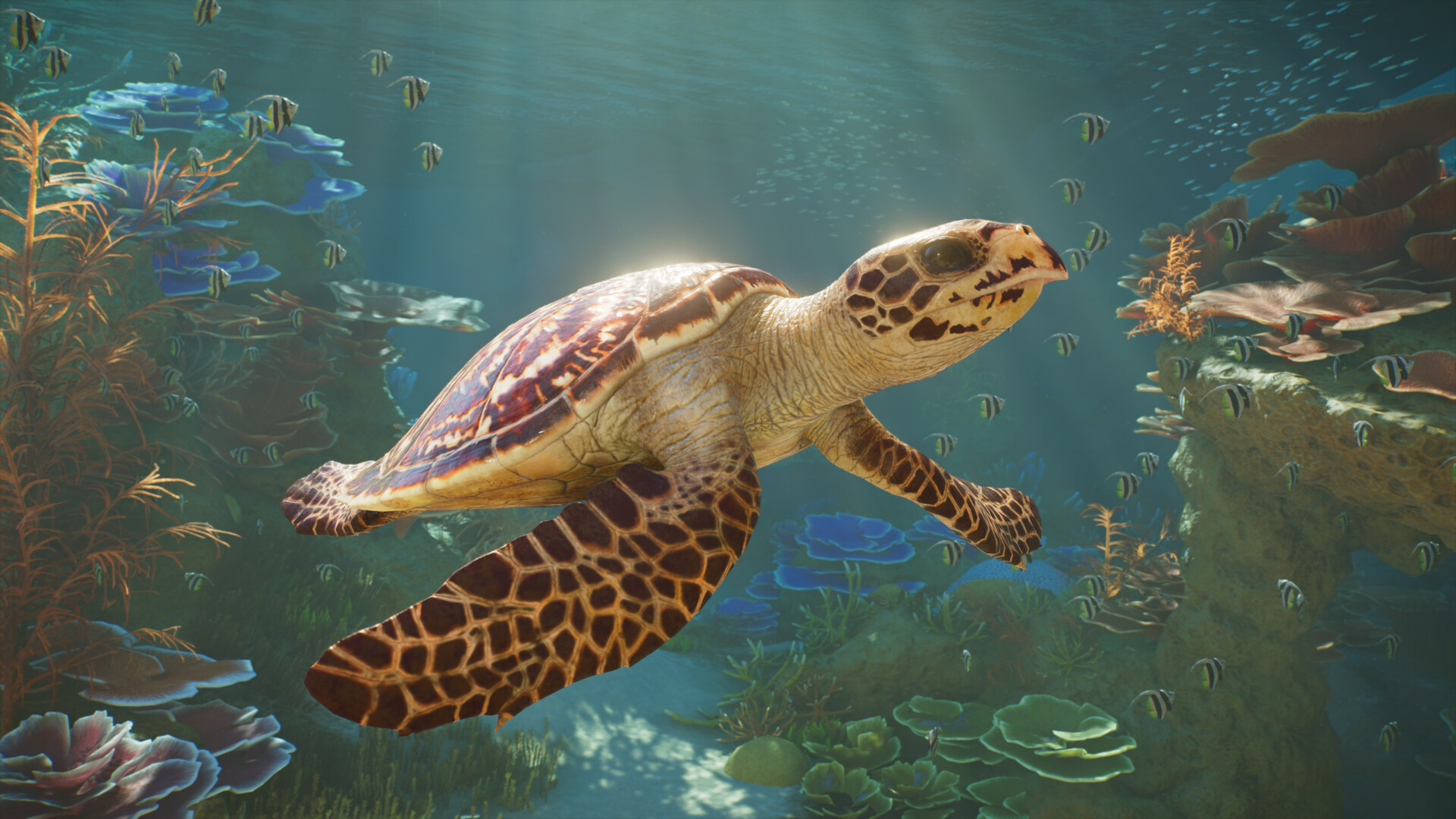
Planet Zoo 2 aquatic animals: all 37 aquarium species
Browse all 37 aquarium-capable animals, see which species also support exhibits, and identify the Deluxe entries.
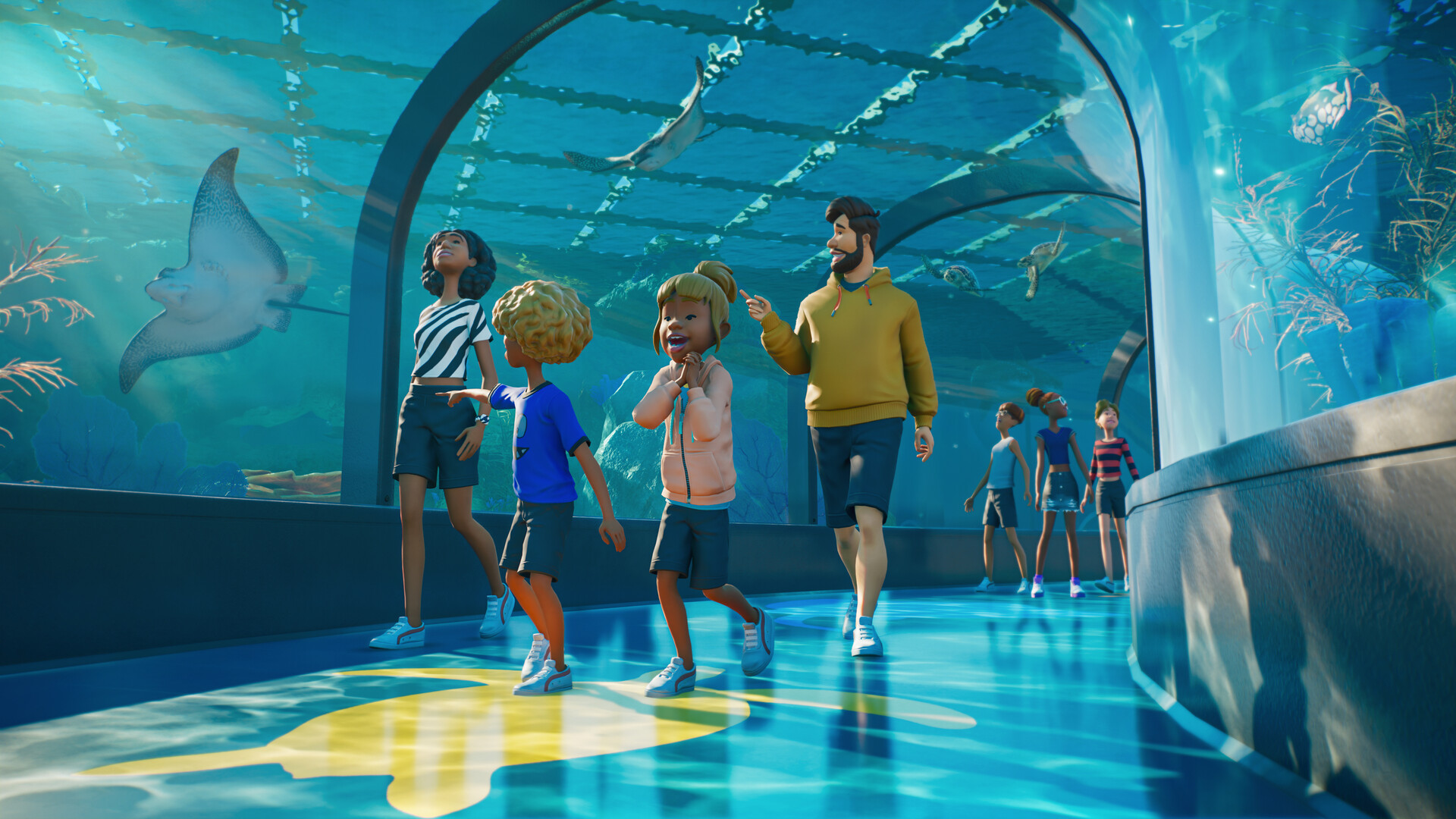
How aquariums work in Planet Zoo 2
Plan freshwater or saltwater aquariums, staff access, welfare checks and viewing areas using confirmed systems.
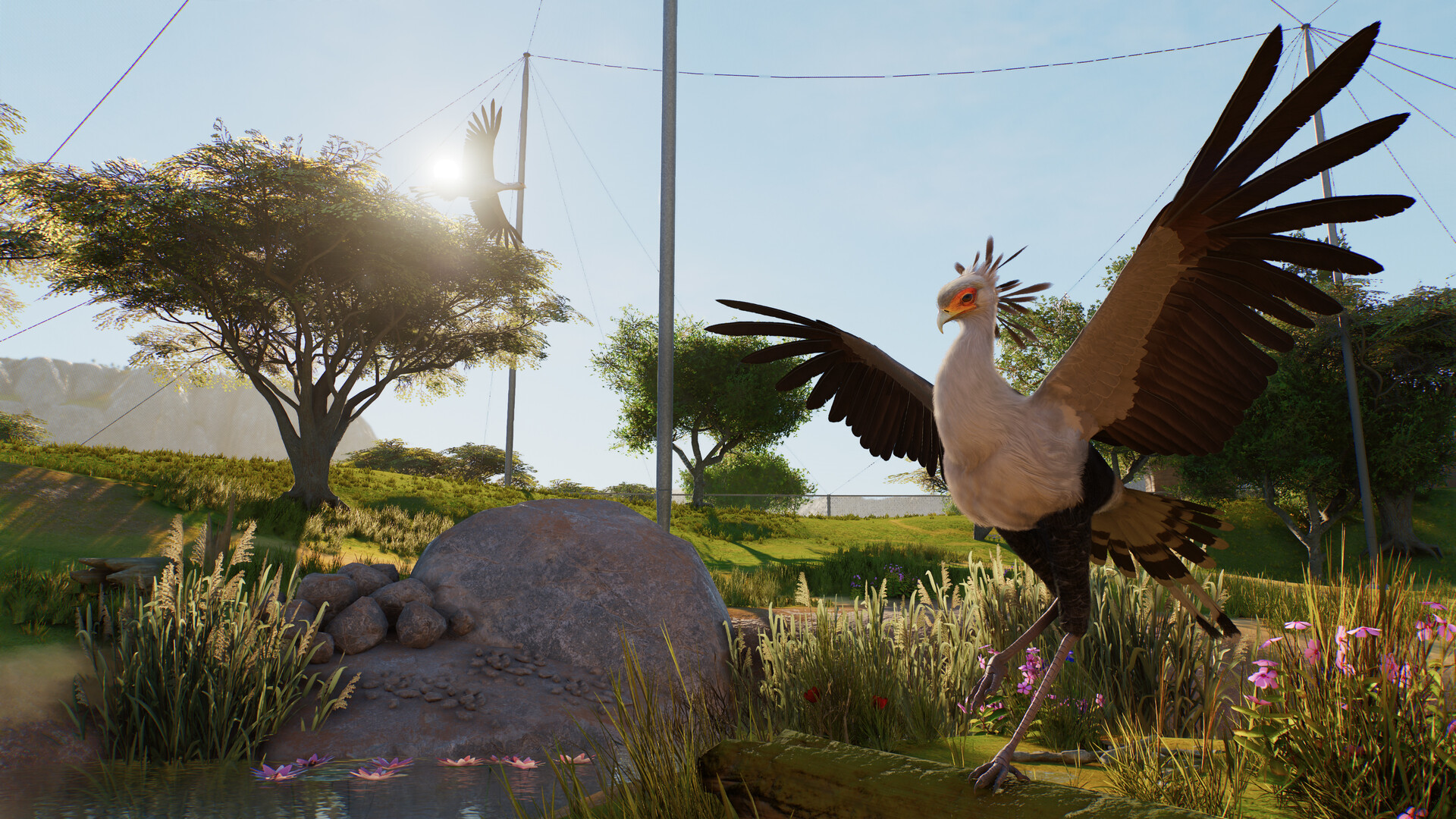
Planet Zoo 2 aviaries and flying animals explained
Understand aviary barriers, support poles, dynamic covers, flying space and the launch bird roster.
Planet Zoo 2 Standard vs Deluxe Edition
Compare prices, the six Deluxe animals, decorative signs and the separate upgrade before buying.
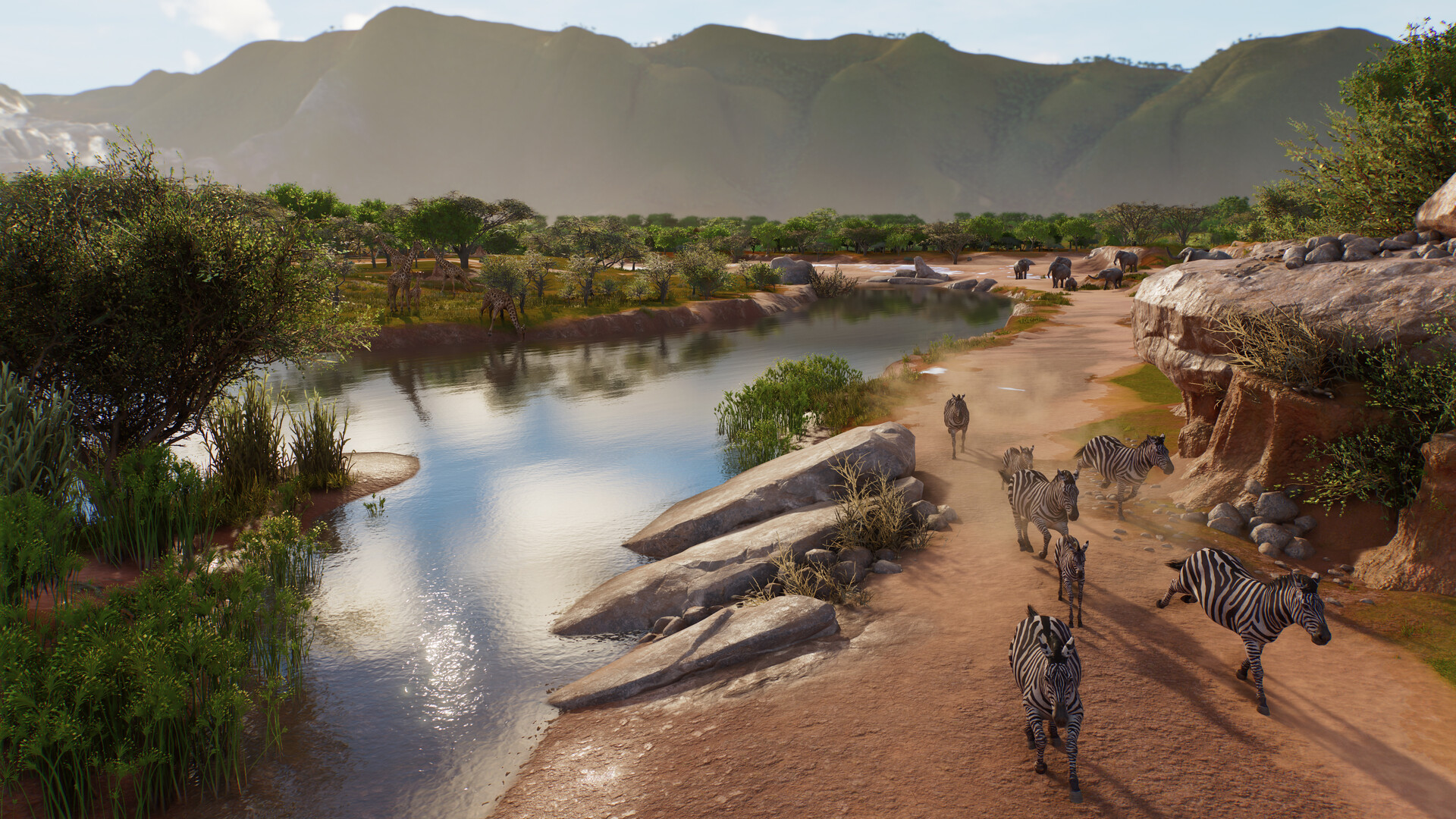
Planet Zoo 2 animals by biome: all 12 Zoopedia habitats
Open each launch biome to see every matching animal, then separate edition, enclosure and compatibility requirements.
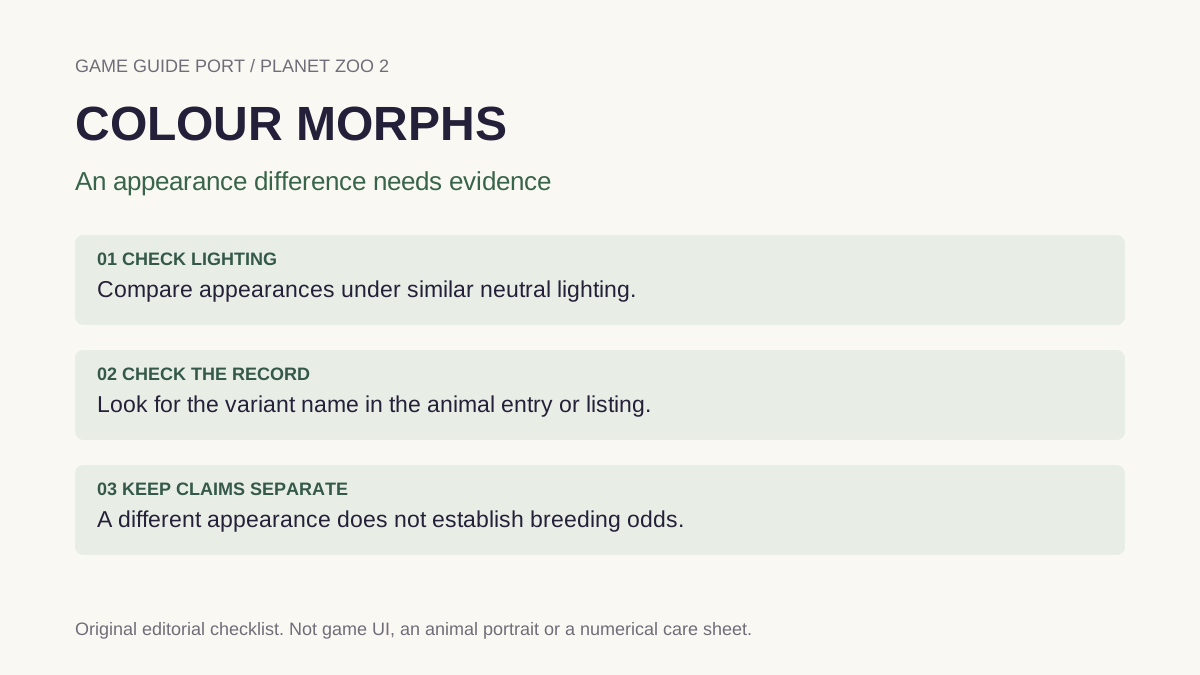
Planet Zoo 2 colour morphs and animal variants
See confirmed zebra, owl and elephant morph examples, where to identify variants and what the feature does not change.
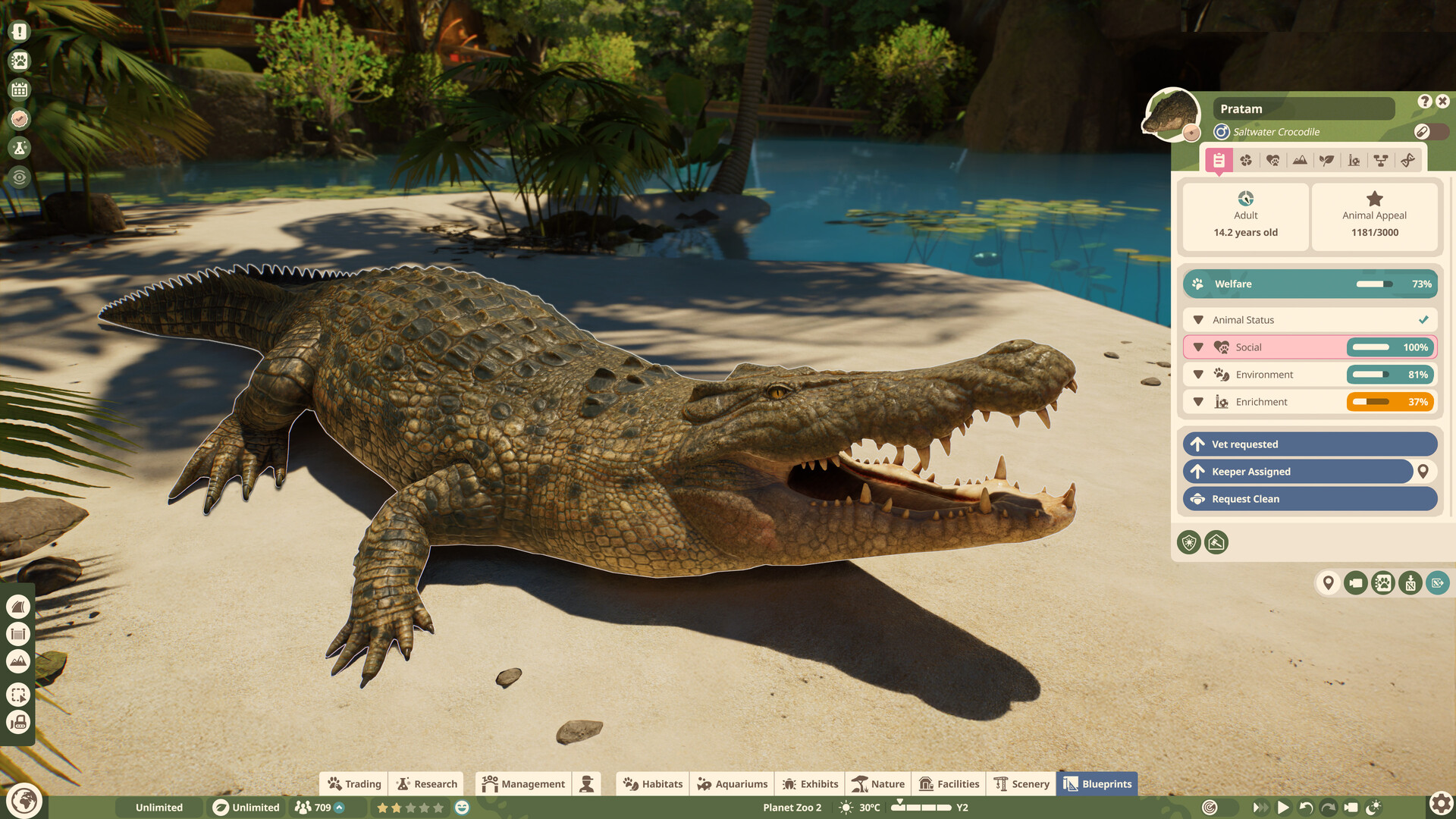
Planet Zoo 2 saltwater crocodile habitat guide
Use the launch saltwater crocodile’s land, water, barrier, temperature and social requirements correctly.
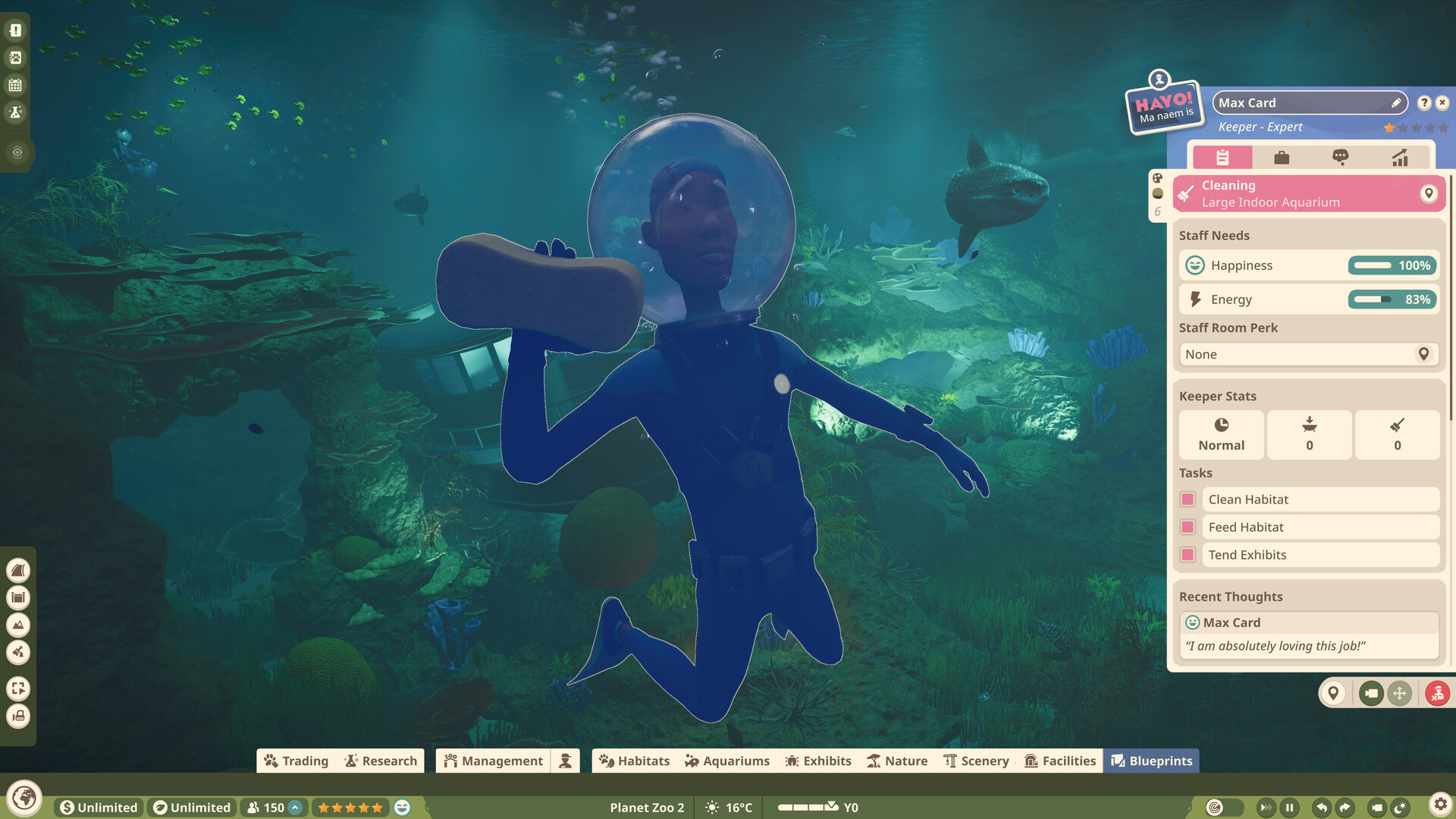
Planet Zoo 2 sand tiger shark aquarium guide
Check the sand tiger shark’s edition, saltwater space, temperature and social range before building its tank.
Is the capybara in Planet Zoo 2?
Check the launch roster, avoid mixing the sequel with the original game and know what would trigger an update.
Planet Zoo 2 brown trout: why it matters and where it lives
Understand the brown trout’s dual aquarium and exhibit role and why it appears in multiple game lists.
Planet Zoo 2 system requirements and PC specs
Compare the official minimum and recommended CPU, GPU, memory, storage and SSD requirements.
Planet Zoo 2 crashing, low FPS and performance checks
Follow Frontier’s official PC troubleshooting order before trying risky or unrelated fixes.
Planet Zoo 2 platforms: PC, PS5, Xbox and Mac
Confirm the supported systems, PS5 Pro status and the current absence of native Mac and Linux versions.
Is Planet Zoo 2 on Xbox Game Pass?
Check current Game Pass and Xbox Play Anywhere claims against the live Microsoft listing before subscribing.
Planet Zoo 2 physical edition and disc release
Check the retailer-listed console disc date, regional limits and the difference from digital Deluxe content.
Planet Zoo 2 multiplayer, co-op and cross-platform features
Separate single-player zoo building from Franchise trading and cross-platform Workshop sharing.
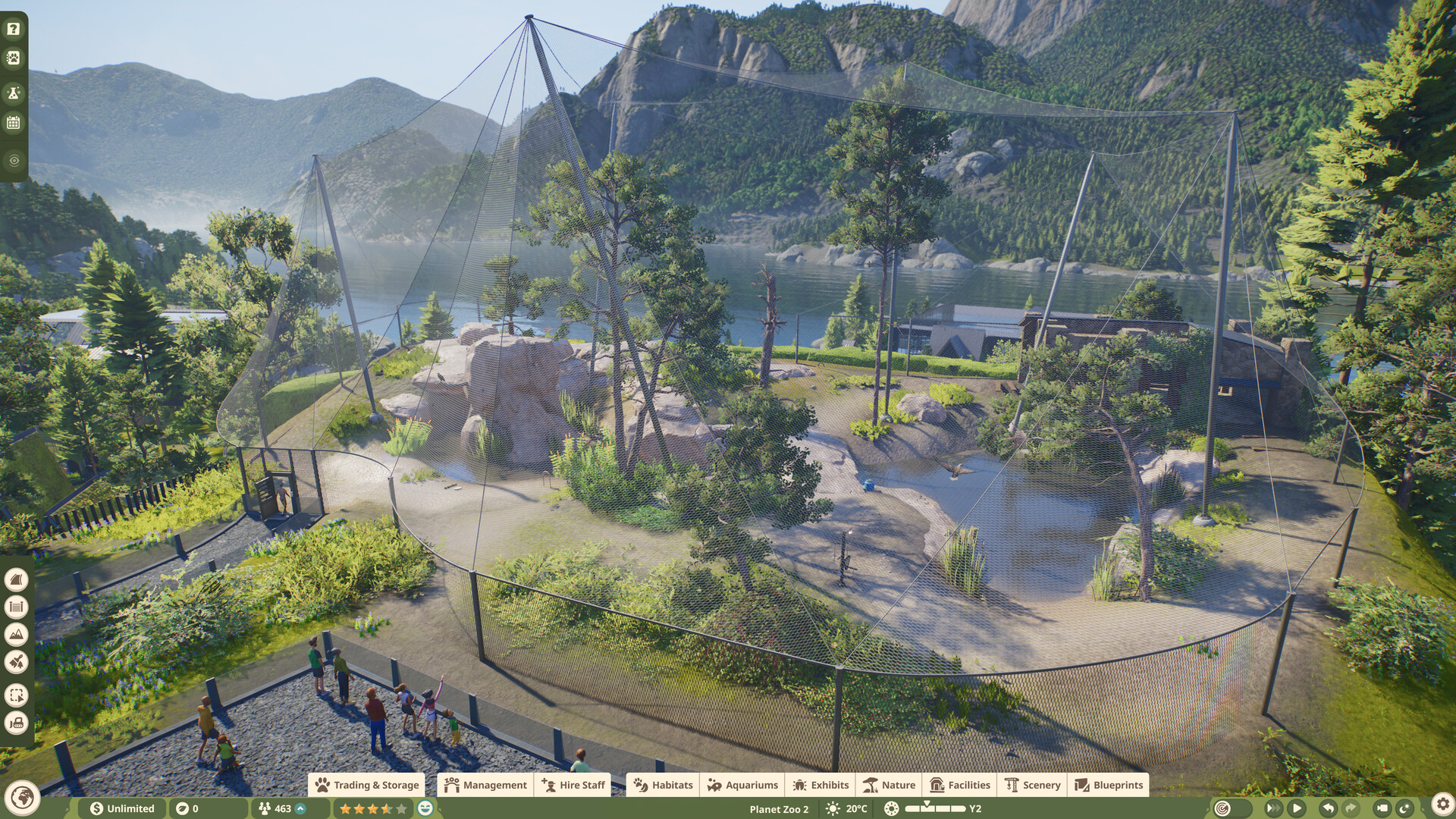
Planet Zoo 1 vs Planet Zoo 2: the practical differences
Compare the sequel’s aquariums, aviaries, reserves, building tools and animal presentation before choosing a game.
Planet Zoo 2 path collision and obstructed-path fixes
Use the new path tools carefully and understand what can be confirmed about collision settings and workarounds.
Planet Zoo 2 terrain painter and biome brushes
Separate terrain sculpting, terrain materials and the nature brush without importing original-game limits as sequel facts.
Planet Zoo 2 Franchise accreditation levels and animal unlocks
See the five launch accreditation tiers, their zoo and reserve star requirements, and the limits of the available unlock data.
Planet Zoo 2 Franchise animal market empty or offline
Tell progression limits from launch server pressure when animals disappear or the market looks empty.
Planet Zoo 2 Wildlife Reserves and predation
Understand conservation projects, ecosystem roles, animal release and what must be checked before mixing species.
Planet Zoo 2 Frontier Workshop and mod support
Use cross-platform blueprints and distinguish the official Workshop from unsupported third-party code mods.
Planet Zoo 2 DLC and update roadmap
Separate the launch Deluxe Upgrade from post-launch DLC and track only dated Frontier announcements.